
Founded in 2022, Theta Neurotech is developing the first non-invasive wearable seizure prediction system: a discreet EEG patch paired with an AI-powered mobile app.
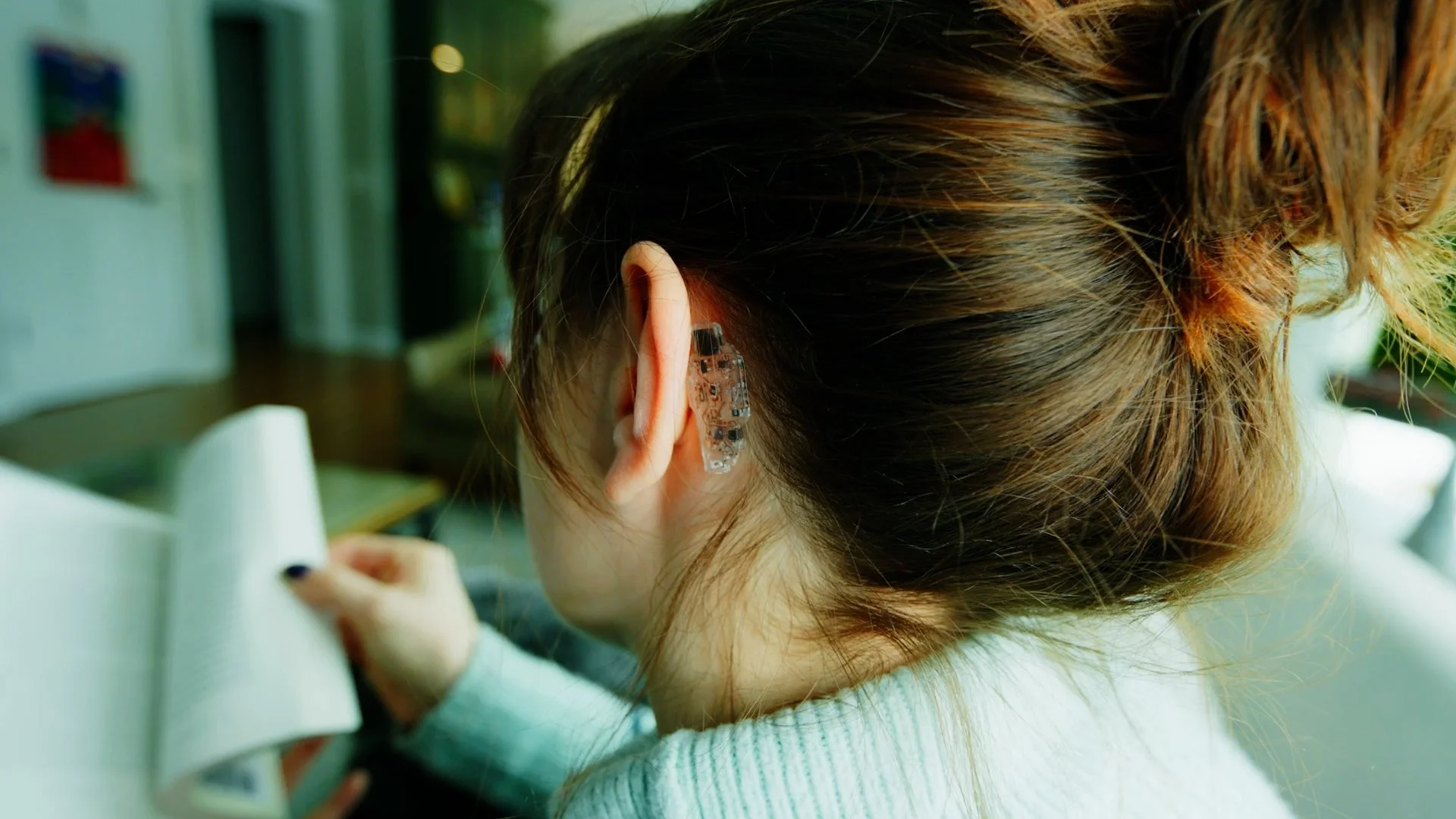
The company closed a $1.75M pre-seed round and is preparing for clinical trials across three academic medical centers. Theta's core technology pairs continuous EEG monitoring with an AI engine that forecasts seizure likelihood, giving patients and caregivers advance notice rather than after-the-fact detection.
“Theta's mission is personal. We are building this technology because the epilepsy community has waited too long for a prediction tool that works outside the hospital.”
— Truman Pierson, Founder, CEO
-
Truman Pierson
FOUNDER, CEO
University of Chicago -
Christopher Fitz
FOUNDER, CTO
Vanderbilt University -
Naoum Issa, MD, PhD
PRINCIPAL INVESTIGATOR
University of Chicago Medicine
Section Chief of Epilepsy and Director of Epilepsy Research at the University of Chicago. Dr. Issa's research focuses on detecting and diagnosing neurologic disorders using non-invasive electrophysiological techniques. He has published over 75 scientific papers. -
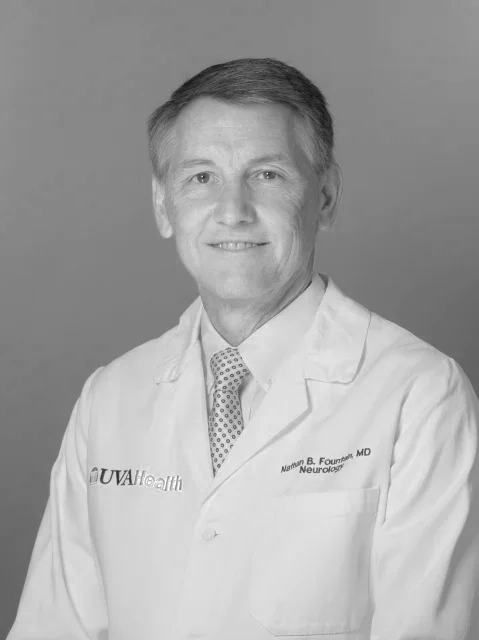
Nathan Fountain, MD
SCIENTIFIC ADVISOR
University of Virginia
Thomas E. Worrell, Jr. Professor of Neurology and Epileptology and Director of the F.E. Dreifuss Comprehensive Epilepsy Program at UVA. Former chair of the FDA Advisory Committee for neurology drugs and past president of the National Association of Epilepsy Centers. -
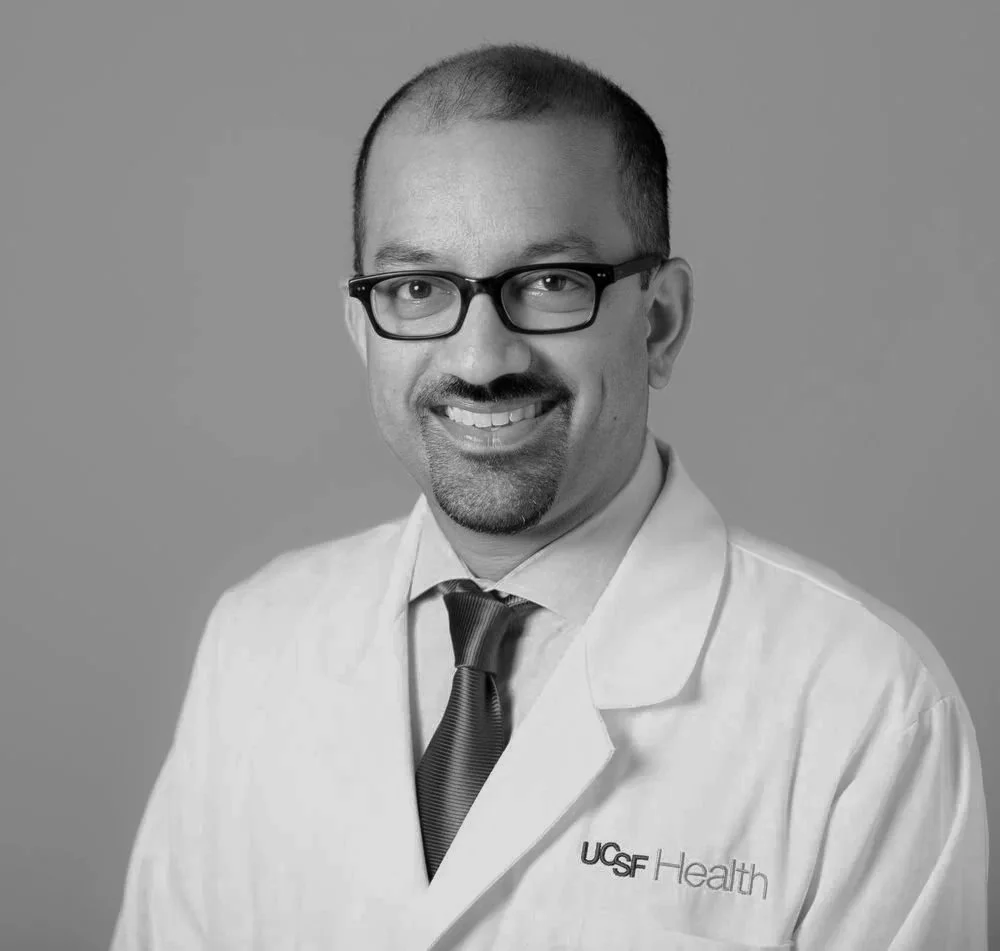
Vikram Rao, MD, PhD
SCIENTIFIC ADVISOR
UC San Francisco
Distinguished Professor of Neurology at UCSF and member of the Weill Institute for Neurosciences. Dr. Rao's research uses chronic brain recordings and implanted neurostimulation devices to forecast seizures, including a Nature Medicine publication demonstrating that hippocampal network activity can predict 24-hour seizure risk.
Offices
Chicago
222 N La Salle St,
Chicago, IL 60601